


Water restoration services are designed to efficiently and effectively return your home to its pre-damage state. These professionals bring expertise, advanced equipment, and swift action to mitigate damages and prevent further issues such as mold growth.
In this article, we’ll break down the water damage restoration process, so you know what to expect and how to handle such situations. By understanding these steps, you can approach this challenging situation with more confidence and peace of mind.
What Is Water Damage Restoration?
Water damage restoration is a multi-step process that involves cleaning, drying, sanitizing, and repairing a property after water damage. This process is not just about removing the visible water; it involves a thorough approach to ensure all moisture is eliminated to prevent long-term damage. The goal is to prevent further damage, such as mold growth, and to restore the property to its original condition. This often requires a combination of technology and expertise to ensure thoroughness.
Why Fast Action Is Crucial
Water damage can lead to structural damage, mold growth, and health risks if not addressed promptly. Mold can begin to grow within 24 to 48 hours after water exposure, posing serious health risks such as allergic reactions and respiratory issues.
The longer water sits, the more damage it can cause, weakening structures and leading to costly repairs. That’s why it’s crucial to act quickly and hire professional water restoration services. Quick action not only saves money but also protects the health of your household.
Aesthetic and Comfort Considerations
Beyond health and structural concerns, water damage can also affect the aesthetics and comfort of your home. Water stains, warped flooring, and musty odors can make living spaces uncomfortable and unattractive. Professional water restoration services aim to not only repair but also rejuvenate your home, bringing it back to a place of comfort and beauty.
Key Steps in the Water Restoration Process
The water restoration process typically involves several key steps. Each step is designed to address specific aspects of water damage, ensuring a comprehensive approach to restoring your home. Understanding these can help you know what to expect when dealing with water damage.
1. Inspection and Assessment
The first step in the water restoration process is a thorough inspection and assessment of the damage. Professionals will evaluate the extent of the water damage, determine the type of water involved (clean, gray, or black water), and develop a plan of action. This evaluation is critical as it informs the entire restoration strategy, ensuring that every aspect of the damage is addressed appropriately.
2. Water Removal and Extraction
Once the assessment is complete, the next step is to remove the standing water. This is done using powerful pumps and vacuums to quickly extract water from the affected areas. The faster the water is removed, the less damage it can cause to the structure and contents of the home. This rapid removal is crucial to prevent further seepage into materials and avoid potential mold growth.
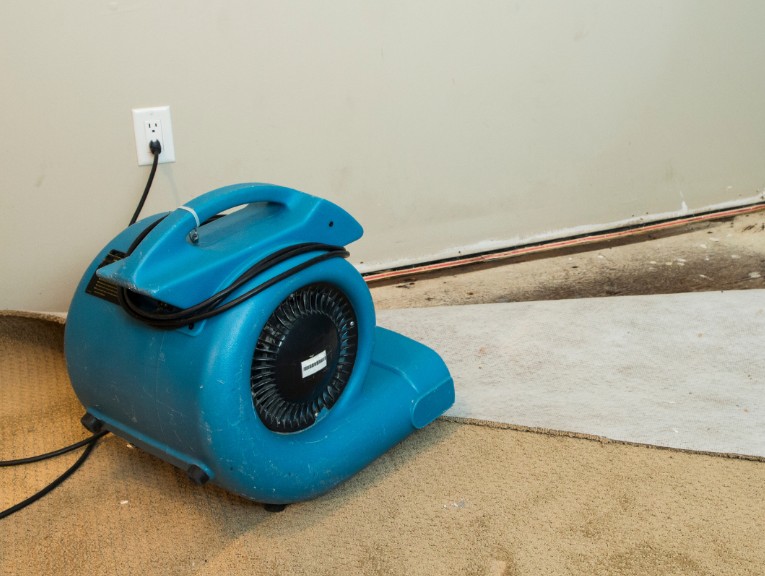
3. Drying and Dehumidification
After all the standing water is removed, the drying and dehumidification process begins. This step is vital to prevent mold growth and further damage to the property. High-powered air movers and dehumidifiers are used to dry out any remaining moisture in walls, floors, and furniture. These machines are strategically placed to ensure optimal airflow and moisture removal, targeting even the most hidden moisture pockets.
4. Cleaning and Sanitizing
Water damage can leave behind contaminants and bacteria, especially if the water is classified as gray or black. Cleaning and sanitizing are essential to ensure the safety and health of the home’s occupants. This process involves more than just surface cleaning; it requires a deep clean of all affected areas to eliminate health risks.
5. Restoration and Repairs
The final step in the water damage restoration process is the repair and restoration of the home. This can range from minor repairs, such as replacing drywall and installing new carpet, to major reconstruction, depending on the extent of the damage. The goal is to restore the home to its pre-damage condition, both in terms of functionality and aesthetics.
Preventing Future Water Damage
Once your home is restored, consider taking steps to prevent future water damage. Regular maintenance, such as checking for leaks and ensuring proper drainage, can help protect your home. Routine inspections can identify potential issues before they become major problems, saving you time and money in the long run.
Final Thoughts
Water damage can disrupt your home and peace of mind, but knowing what to expect during the restoration process makes all the difference. Quick action and support from experienced professionals can limit the impact and get your home back to normal.
At Precision Restoration, we respond fast, communicate clearly, and restore your property with care. If you’re dealing with water damage or want to be prepared for the unexpected, contact our team today. We’re here to help you recover quickly and protect your home moving forward.